Trading safely · CardToNaira Editorial · 3 min read
CardToNaira · Information
Spot Gift Card Trading Impersonators Before Sharing Anything
A familiar logo or convincing message does not establish identity. Use a simple check before opening links, sharing card details or acting on a supposed support request.
Updated 3 November 2026
Separate the message from the identity claim
Imagine receiving a message saying that your gift card trade needs urgent attention. The profile picture looks familiar, and the sender uses the platform's name. Neither detail tells you who controls that account. Treat the message as a claim that you can check, not proof that you must act immediately.
Before sending anything, ask yourself whether you initiated the conversation and whether the request matches a trade you actually have. A convincing reference to gift cards is not enough. Your next step should be to verify through a channel you choose independently.
Open the real website yourself
For CardToNaira, type cardtonaira.com into your browser or use a bookmark you previously checked. Open your own account and look at the relevant trade. Use the contact options on that website if you need to confirm a message.
Read the address carefully before entering a password. A copied logo, a similar spelling or a padlock is not by itself proof that you are on the intended site. If the address looks unfamiliar, close it and begin again from the website address you know.
Know which information deserves a pause
A request for your password, authenticator code or recovery information should make you stop. Do not provide those details to a person claiming to “finish verification” or “speed up payment.” Enter credentials only in the proper sign-in or security flow you deliberately opened.
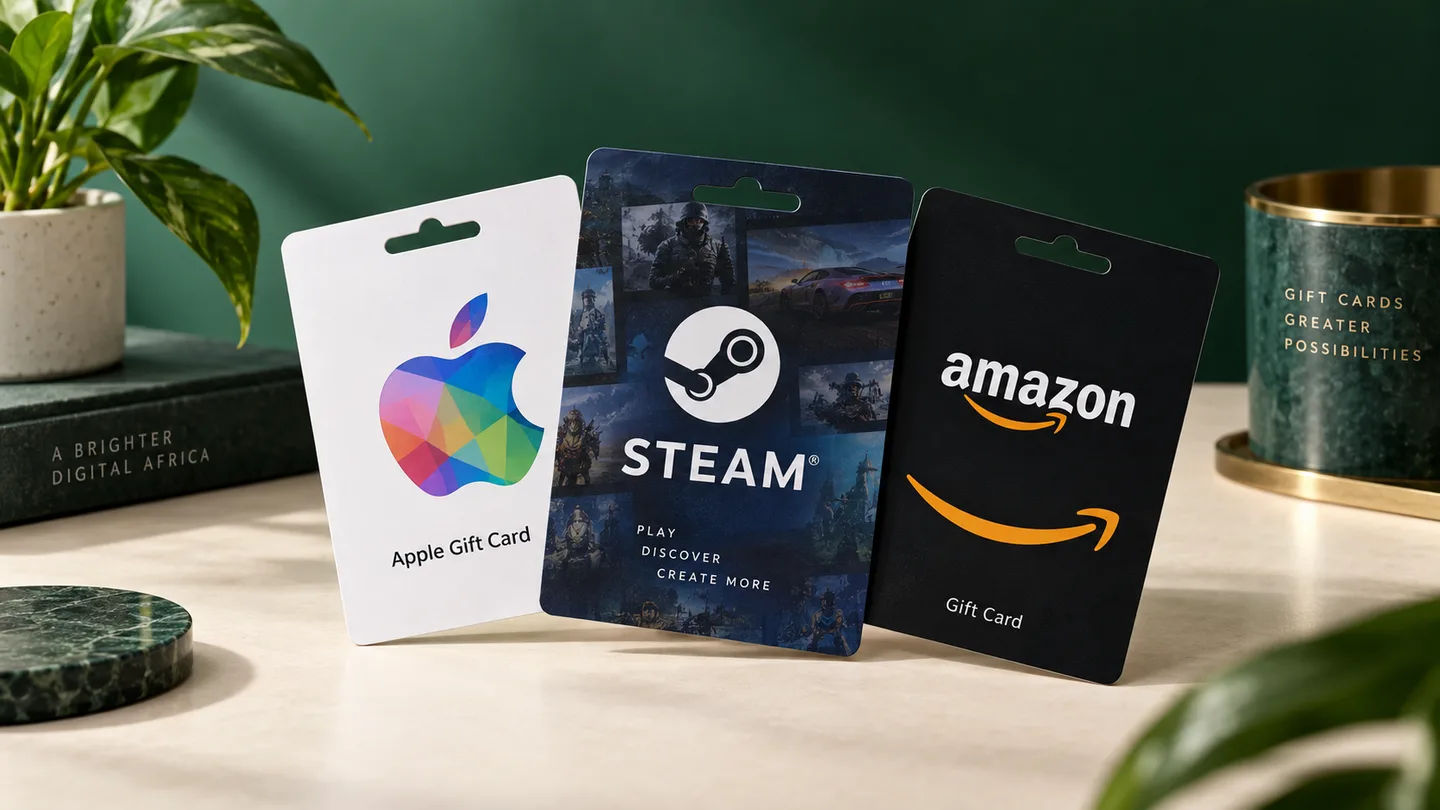
Gift card codes also need care. A person offering to check a card through an unfamiliar link may be asking for information that can be used. CardToNaira provides a submission process; inspect the current offer before deciding to send the required card information through your account.
Do not let urgency choose the channel
An impersonator may insist that the opportunity will disappear if you contact the usual support route. That pressure is a reason to slow down. Keep your original card information private while you check the request, even if the message sounds personal or knowledgeable.
If you are uncertain, preserve the message and its sender details for your own report, then contact the platform through its website. Avoid arguing, sending a small test code or providing an extra document just to see whether the stranger is genuine. Verification should happen before disclosure.
If you have already acted, contain the exposure
Stop sending further information. If you shared account credentials, use the official account recovery and security controls to regain control, change the affected password and review sessions. If a card code was exposed, contact its issuer through an official channel and explain what happened; recovery is not guaranteed.
For an issue involving a CardToNaira trade, use official contact options. Once access is secure and the card's position is clear, return to your trade account. Do not create a new transaction to conceal or work around the original problem.