
Gift card guides · CardToNaira Editorial · 3 min read
CardToNaira · Information
Physical Gift Cards or E-codes: Which Details Matter When You Sell?
Understand the format you hold, the evidence that belongs with it and why a matching offer matters more than a larger quoted rate.
Updated 3 November 2026
Start with how the card was supplied
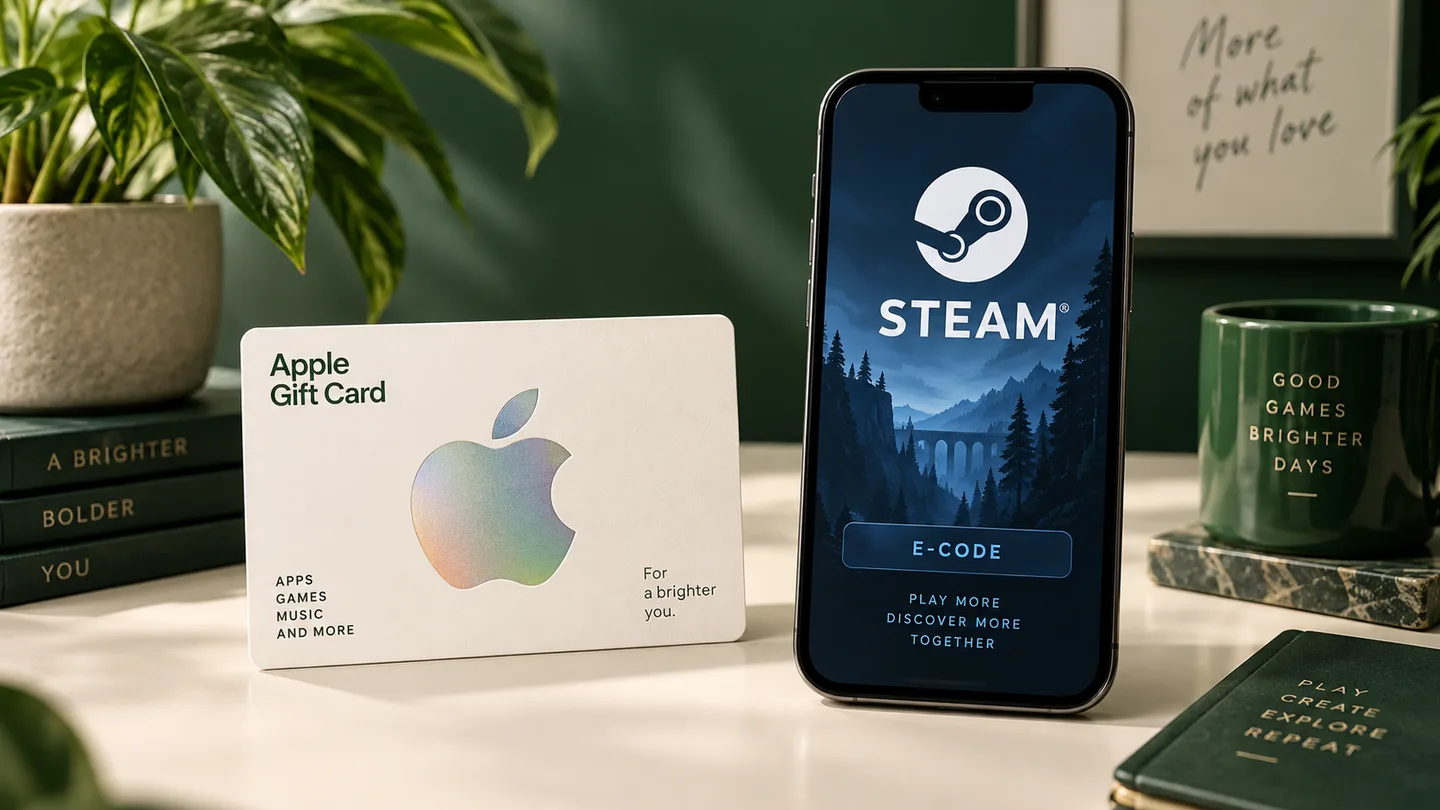
A physical gift card is an actual card. An e-code is supplied digitally. That sounds simple until someone sends you a photograph of a physical card or prints an emailed code. The way you received the information is not always the same as the original product format.
Before choosing a trade category, establish what was originally purchased. Ask the sender whether there was a physical card and retain the original delivery information. If the distinction remains unclear, describe what you have rather than selecting the format with the more attractive estimate.
Know what a receipt does and does not tell you
A purchase receipt can help explain the origin of a gift card, but it is not automatically the gift card itself. A receipt may describe a physical item, an electronic product or several purchases together. Read it carefully and match the relevant details to your card.
For example, an email can contain an order number and a separate redeemable code. Copying the order number into a code field does not submit the card. Likewise, a photo of a payment total does not necessarily show the value assigned to each individual card.
Let the offer determine the evidence needed
Check the exact format in CardToNaira's calculator and read the corresponding requirements. Physical and e-code offers can ask for different evidence. Follow the selected offer rather than assuming instructions from a previous trade apply again.
Where a photo is requested, make the required details readable. Where a code is requested, check it against its original record. If an offer asks for proof you do not have, contact support before proceeding. An honest description is easier to resolve than a submission built around the wrong category.
Compare like with like
Suppose two listings share the same brand, country and face value but describe different formats. A larger Naira figure on one listing does not automatically make it available to the other. Read the whole description before deciding that the calculator is showing inconsistent rates.
Do not alter a format solely to increase the estimate. The correct question is whether an offer matches your real card. Keep a short note of the selected country, format, amount and requirements if you want to compare quotes carefully before trading.
Move from a clear description to a clear trade
Once the format is settled, start the trade in your account. Check that the selected images or code belong to this card, review the estimate and submit the required information. Use the same trade conversation if the team needs clarification.
There is no need to expose your code publicly to establish whether something is physical or digital. Start with a non-sensitive description and supply redeemable details only through the intended submission route. Choosing the right format gives both you and the reviewer a clearer starting point.